Finding mold is only part of the problem.
Before cleanup begins, you also need to know where the problem is, what caused it, which materials are affected, and what the remediation contractor is actually expected to do.
That is where a mold remediation plan or clearly defined remediation scope becomes useful.
For homeowners in Bergen County, New Jersey does not prescribe the same assessor-created Mold Remediation Plan used under New York law. Instead, the New Jersey Department of Health recommends developing a plan to correct the moisture problem and a separate plan for cleaning up the mold before remediation begins.
A good plan turns a vague recommendation like “remove the basement mold” into a defined project that homeowners can understand and remediation contractors can price more consistently.
Key Takeaways
- A remediation plan should clearly identify where the mold problem is and what needs to be addressed.
- The underlying leak, water intrusion, or moisture problem should be part of the plan—not treated as a separate afterthought.
- The scope should distinguish between materials that may be cleaned and materials that may need removal.
- Containment, worker protection, removal procedures, and cleanup methods should reflect the size and complexity of the project.
- A written inspection report and defined remediation scope can help Bergen County homeowners compare contractors based on the same problem instead of price alone.
What Is a Mold Remediation Plan?
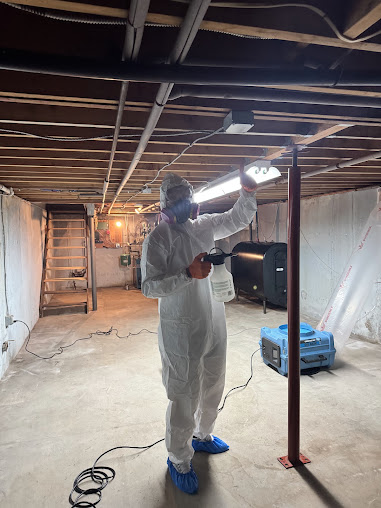
A mold remediation plan is a practical roadmap for cleaning up a mold problem and correcting the conditions that allowed it to develop.
It should connect:
inspection findings → moisture correction → remediation scope → contractor work → post-remediation evaluation
The EPA notes that remediation plans vary depending on the size and complexity of the project and may need to change if additional contamination is discovered during the work.
For homeowners, the important part is that everyone understands the expected scope before demolition or cleanup starts.
A plan that simply says:
“Remediate mold in basement”
does not tell you very much.
A useful scope should answer questions such as:
- Which part of the basement is affected?
- Which materials appear involved?
- Is drywall being removed or cleaned?
- Is insulation affected?
- What caused the moisture?
- Does the moisture source need repair first?
- Is containment appropriate?
- What will the area look like when remediation is complete?
Start With the Inspection Findings
The remediation scope should be based on what was found during the property evaluation.
New Jersey guidance recommends a thorough visual inspection when mold or moisture problems are suspected. When the water source cannot readily be identified, NJDOH recommends investigating the building to determine where the excess moisture is coming from before remediation occurs.
A useful inspection report may document:
- Areas inspected
- Visible or suspected mold
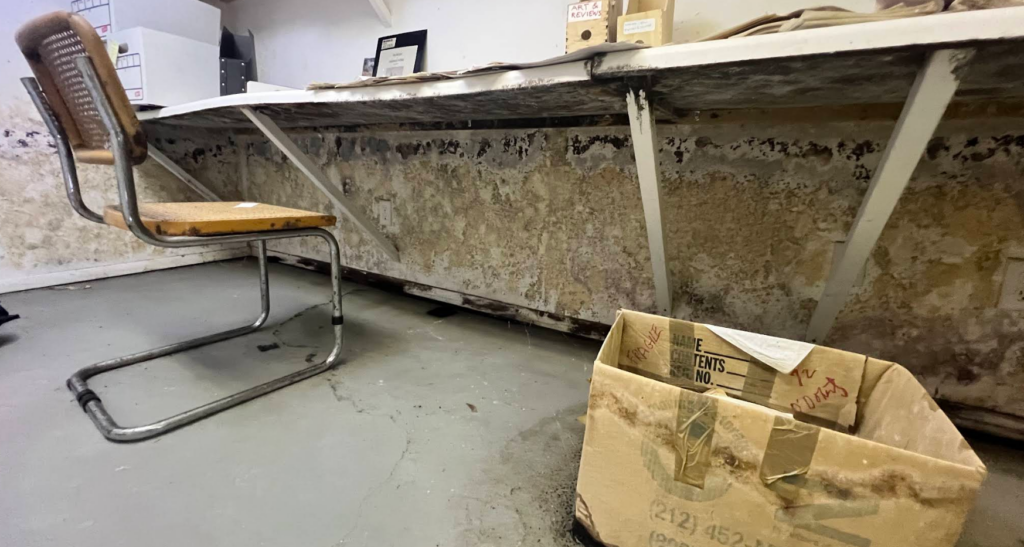
- Water staining
- Moisture-damaged building materials
- Evidence of leaks or water intrusion
- Musty odors
- Approximate affected areas
- Types of building materials involved
- Sampling results when testing was warranted
NJDOH specifically recommends obtaining a written inspection report that summarizes the areas inspected, cause of mold growth, how the problem should be addressed, and any sampling results.
That report becomes the starting point for defining the cleanup.
1. Clearly Identify the Areas That Need Remediation
The plan should make it clear where work will take place.
For example:
Instead of:
“Basement mold cleanup”
the scope might identify:
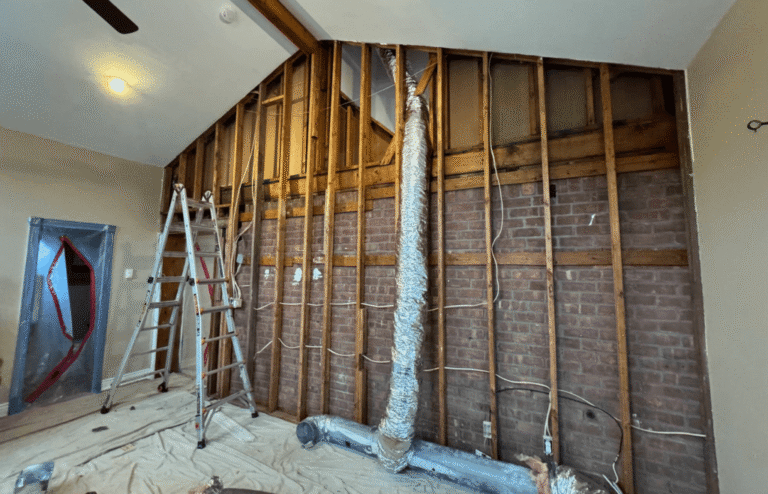
- Lower section of drywall along one basement wall
- Baseboard and wall cavity near a previous plumbing leak
- Affected insulation behind that section
- Adjacent materials requiring evaluation once the wall is opened
The exact wording will vary by project, but homeowners should be able to understand which areas are included.
This also reduces confusion when comparing bids.
If one contractor is pricing two walls while another is pricing the entire basement, the proposals are not directly comparable.
2. Identify the Moisture Source
This is one of the most important parts of any mold project.
Mold needs moisture.
The source may involve:
- Plumbing leaks
- Roof leaks
- Window or exterior water intrusion
- Basement seepage
- Condensation
- Appliance leaks
- Previous flooding
- Materials that never fully dried after water damage
NJDOH specifically advises homeowners to request a plan to stop the water intrusion before mold remediation proceeds.
The EPA makes the same point: the moisture problem needs to be corrected so mold does not simply return after the cleanup.
A cleanup plan that focuses only on visible mold but ignores why the area became wet is incomplete.
3. Define What Will Be Removed and What Will Be Cleaned
Not every material affected by mold is handled the same way.
A remediation scope should distinguish between materials that can potentially be cleaned and those that may require removal because of contamination or water damage.
For example, the project might involve:
- Removing affected drywall
- Removing damaged insulation
- Cleaning structural framing that can remain
- Addressing flooring or baseboards
- Removing heavily affected porous contents where appropriate
The actual decision depends on the condition of the materials and the project circumstances.
The goal is not for homeowners to determine the cleanup method themselves.
The goal is to make sure the contractor’s proposal clearly explains what is staying and what is being removed.
4. Explain How the Work Area Will Be Controlled
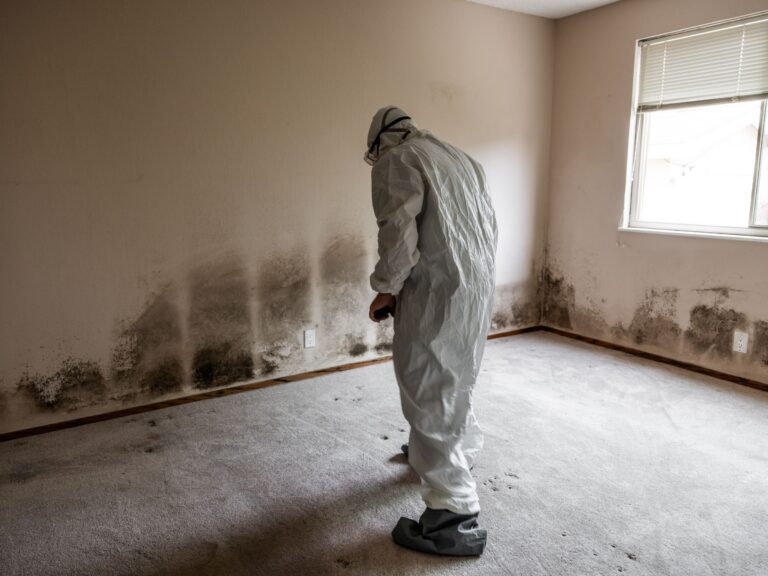
Larger or more complex remediation projects may require containment or other controls designed to keep debris and mold-contaminated material from spreading beyond the work area.
The EPA lists containment as one of the issues that should be addressed when planning remediation.
A project-specific plan might address:
- Whether containment is needed
- Which area will be isolated
- How materials will be removed from the work area
- How surrounding areas will be protected
- What protective equipment workers will use
Not every mold problem requires the same setup.
A limited affected area and a larger finished-basement project should not automatically be treated identically.
5. Describe How Mold-Damaged Materials Will Be Handled
The plan should explain enough about the cleanup method that the homeowner understands what is being proposed.
EPA guidance says remediation planning should address how moldy building materials will be removed without unnecessarily spreading contamination.
That could involve procedures for:
- Removing affected porous materials
- Cleaning remaining surfaces
- Handling debris
- HEPA vacuuming when appropriate
- Detailed cleaning of the work area
- Drying materials before reconstruction
Avoid proposals that reduce the entire remediation project to:
“Spray the mold.”
Mold remediation is fundamentally about correcting moisture and properly dealing with contaminated or damaged material—not simply covering surfaces with a product.
Mold Remediation Plan vs. Contractor Estimate
These are related, but they are not the same thing.
The remediation scope identifies the problem and the work that needs to be addressed.
The contractor’s proposal or estimate explains what that contractor will do and what it will charge.
That distinction is important.
If you ask three remediation contractors to inspect the property independently and each defines the problem differently, you might receive three very different prices because they are actually bidding on three different projects.
A clearer inspection report and remediation scope can help you give contractors a common starting point.
Then you can compare:
- Which areas each contractor includes
- What materials they propose to remove
- What they plan to clean
- Whether moisture correction is addressed
- What containment or protective measures are included
- What is excluded
- What happens after remediation
The New Jersey Department of Health recommends obtaining multiple estimates and making sure contractors are bidding on the same work.
That is much more useful than simply choosing whichever estimate has the lowest number.
Need an Independent Mold Inspection Before Remediation?
If you have mold, moisture staining, a musty odor, previous water damage, or another concern in your Bergen County, NJ property, you do not need to start by accepting a cleanup estimate.
First understand the condition.
Airborne Inspection Pros provides mold inspection and testing services to help homeowners identify moisture concerns, suspected mold conditions, and whether targeted sampling may provide useful additional information.
A clear inspection can give you better information before you begin comparing remediation contractors and deciding what cleanup work your property actually needs.